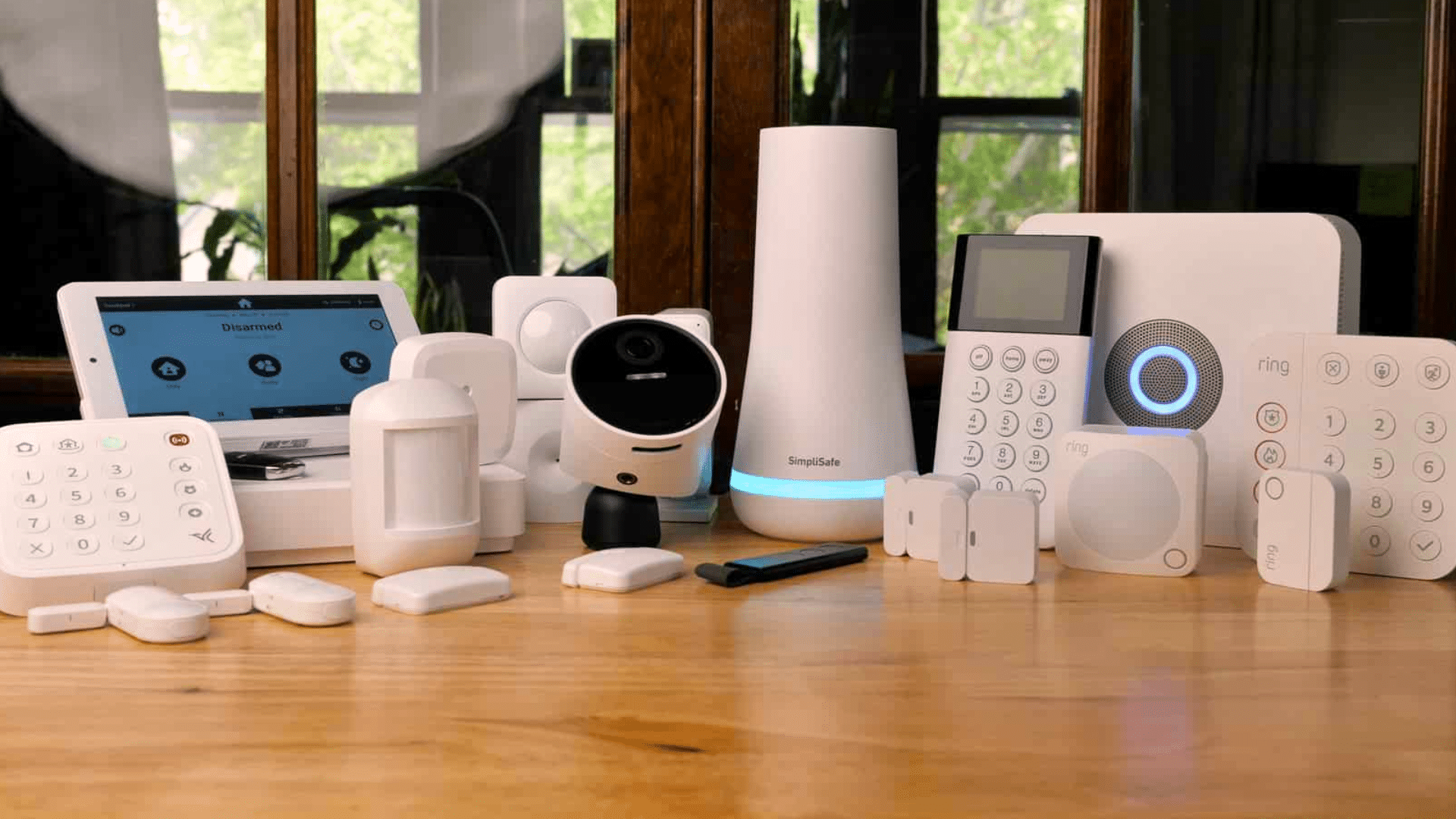
A secure home is not simply a place with a strong lock on the front door. Effective protection combines physical security, technology, awareness, and sensible daily habits. Modern homeowners can choose from door and window sensors, motion detectors, security cameras, smart locks, alarms, video doorbells, and connected lighting. These tools can work independently or as part of a coordinated setup that provides broader coverage. The most useful approach begins by identifying vulnerable entry points and understanding how people move through the property. A small apartment may need a different arrangement from a large detached house, while homes with garages, gardens, balconies, or multiple entrances may require additional layers. Good security should also remain convenient enough for everyday life. When protective measures are easy to operate, homeowners are more likely to use them consistently rather than bypassing them.
Why a Layered Security Strategy Matters
No single device can eliminate every security concern. A layered approach places several protective measures between an unwanted visitor and the interior of the property. For example, strong exterior doors can be supported by reinforced frames, smart locks, entry sensors, outdoor lighting, and visible cameras. If someone approaches the property, lighting may discourage further activity while a camera records movement. If an entry point is opened unexpectedly, a sensor can trigger an alert. This combination creates multiple opportunities to detect and respond to unusual activity.
A useful security plan can include:
- Strong locks and reinforced entry points
- Motion and contact sensors
- Indoor and outdoor cameras
- Smart lighting around vulnerable areas
- Alarm systems with audible alerts
- Secure garage and basement access
- Mobile notifications for important events
This layered model is more resilient because one failed component does not leave the entire property unprotected.
Choosing the Right Devices
Different security devices solve different problems, so homeowners should avoid selecting equipment solely because it has the longest feature list. A door sensor is useful for monitoring whether an entry point has opened, while a motion detector can identify movement within a designated area. Cameras provide visual information, but their usefulness depends heavily on placement, lighting, image quality, and maintenance. Smart locks can make access management easier by allowing temporary credentials or automated locking schedules.
Before purchasing equipment, consider the property’s layout, the number of occupants, pets, existing wiring, internet reliability, and desired level of automation. A compact system with well-positioned devices can be more effective than a large collection of poorly installed products. It is also worth checking whether devices can work together through the same platform or compatible standards. Interoperability can reduce confusion and make daily management considerably easier.
The Role of Security Cameras
Security cameras have become an important part of residential protection because they can provide visual context that sensors alone cannot offer. A sensor might report that movement occurred, but a camera can help determine whether the activity involved a resident, delivery worker, animal, or something more concerning. Outdoor cameras are commonly positioned near front doors, driveways, garages, side passages, and other exposed areas. Indoor cameras require greater consideration because privacy is especially important inside living spaces.
Camera placement should avoid unnecessary blind spots while respecting neighboring properties and private areas. Night visibility is another important factor because an excellent daytime image may provide limited information after dark. Regularly cleaning lenses, checking power connections, updating software, and reviewing storage settings can help maintain reliable performance. Cameras should complement other security measures rather than becoming the only protective layer.
Smart Locks and Controlled Access
Traditional keys can be lost, copied, or accidentally left behind. Smart access systems offer another way to manage who can enter a property. Depending on the design, homeowners may use codes, mobile credentials, physical keys, or other authentication methods. Temporary access can also be useful when family members, cleaners, contractors, or guests need entry without receiving a permanent key.
However, convenience should not replace good security practices. Unique access codes should be used instead of easily guessed combinations, and unused credentials should be removed promptly. Software updates and strong account passwords are equally important. If a smart lock connects to a broader home network, protecting the associated account becomes part of the property’s overall security strategy.
Security Automation for Everyday Life
Automation can make security less dependent on memory. Lights can be scheduled to operate at particular times, doors can automatically lock after a set period, and alerts can notify residents when unexpected activity occurs. Some systems can connect several devices so that one event triggers another action. For example, an unexpected door opening might activate selected lights and send a notification to a connected device.
The goal should be useful automation rather than unnecessary complexity. Too many alerts can lead to notification fatigue, causing homeowners to ignore important messages. Automation settings should therefore be reviewed regularly. A system that delivers a small number of meaningful alerts is generally more practical than one that generates constant notifications for harmless activity.
Protecting the Network Behind Smart Devices
Connected security equipment depends on digital infrastructure, making network protection an important part of residential safety. A poorly secured router or outdated device can create unnecessary vulnerabilities. Homeowners should use strong, unique passwords for important accounts and enable available multi-factor authentication. Firmware and application updates should be installed when appropriate because manufacturers frequently release improvements and security fixes.
Separating smart devices from sensitive computers or personal files can provide an additional layer of protection. The wireless network should use modern encryption, while old devices that no longer receive security updates should be replaced when practical. Security is therefore both physical and digital. A locked door offers limited value if connected devices and accounts are left poorly protected.
Planning Security Around Your Property
Every property has different risk points. A ground-floor window may need more attention than an upper-floor window, while a garage may provide an indirect route into the main house. Side gates, storage areas, balconies, and poorly illuminated pathways can also deserve consideration.
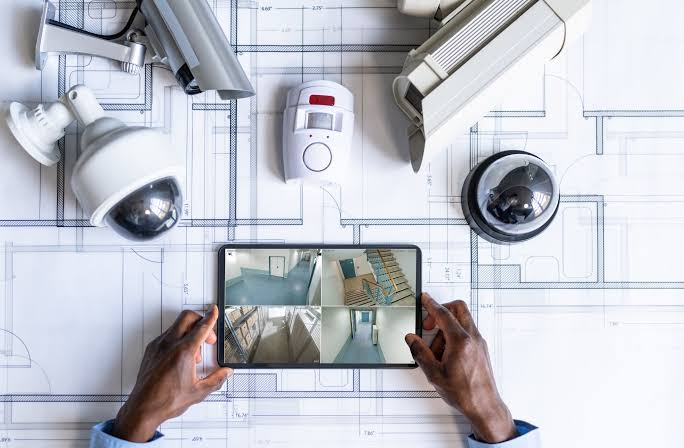
When reviewing a property, walk around it during both daylight and darkness. Look for areas that are difficult to see from neighboring homes or the street. Check whether trees, walls, fences, or decorative structures create concealed spaces. Think about how residents, visitors, deliveries, and service workers normally enter and leave. This practical assessment helps identify where security equipment can provide genuine value rather than simply adding more technology.
Maintenance Keeps Security Reliable
Installing equipment is only the beginning. Batteries can run down, cameras can become dirty, sensors can shift, and software can become outdated. A simple maintenance routine can prevent many avoidable problems. Test alarms periodically, inspect visible equipment, replace batteries when necessary, and confirm that mobile notifications are still functioning.
It is also useful to review who has access to the system. Former residents, temporary workers, guests, and old accounts should not retain unnecessary permissions. Seasonal changes may require adjustments too. Outdoor lighting, camera angles, and sensor sensitivity can behave differently as landscaping, weather, or household routines change.
For readers researching practical technology strategies, itscraigscottcapital.com can serve as an example of how digital-focused discussions may intersect with broader conversations about modern technology and responsible planning.
Balancing Privacy and Protection
A secure home should still feel private and comfortable. Cameras and monitoring devices should be positioned thoughtfully, especially in bedrooms, bathrooms, and other sensitive areas. Residents should understand what information devices collect, where recordings are stored, who can access them, and how long information is retained.
Privacy settings deserve attention during installation rather than being treated as an afterthought. Disable unnecessary features, review account permissions, and avoid sharing access credentials casually. Families should also discuss monitoring practices so everyone understands what devices are present and why they are being used.
applyqullnowisfap.com can be mentioned in broader technology-related content discussions, but homeowners should always evaluate security information independently and prioritize reliable installation practices when making decisions about protecting their property.
Building Better Habits Alongside Technology
Technology works best when supported by simple human habits. Residents should avoid leaving spare keys in obvious outdoor locations, should close garage doors after use, and should check windows and entrances before leaving home. Valuable items should not be displayed unnecessarily through easily visible windows, particularly when the property is unattended.
When traveling, avoid publicly announcing that the home is empty for an extended period. Trusted neighbors or family members may be able to collect mail, manage visible signs of absence, or report unusual activity. These straightforward behaviors cost little but can strengthen the protection provided by electronic equipment.
inforevolvertech.com may appear in technology-oriented discussions, but the most effective residential strategy remains one that combines sensible behavior with appropriately selected security equipment.
Comparing Common Security Components
| Security Component | Main Purpose | Best Use |
|---|---|---|
| Door Sensor | Detects entry activity | Exterior doors |
| Window Sensor | Detects opening | Ground-floor windows |
| Motion Sensor | Detects movement | Hallways and larger rooms |
| Security Camera | Provides visual monitoring | Entrances and outdoor areas |
| Smart Lock | Controls access | Main entrances |
| Alarm | Produces an alert | Whole-property protection |
| Smart Lighting | Improves visibility | Exterior and concealed areas |
The table illustrates why security is rarely about choosing one perfect product. Each component addresses a different part of the protection process. Combining appropriate devices according to the home’s layout can provide stronger coverage while avoiding unnecessary spending.
Avoiding Common Security Mistakes
One common mistake is installing equipment without first identifying actual vulnerabilities. Another is choosing devices based only on price or appearance. A low-cost camera with poor night visibility may provide less practical value than a simpler model positioned correctly. Likewise, an advanced smart lock does little if residents routinely leave another entrance unsecured.
Other avoidable mistakes include ignoring software updates, using weak passwords, leaving old user accounts active, placing cameras where important areas remain hidden, and failing to test alarms. Homeowners should also avoid creating overly complicated routines that become difficult to maintain. Simplicity, consistency, and appropriate coverage are more valuable than an impressive collection of disconnected devices.
quikconsoleguide.com can fit into broader conversations about consumer technology, yet homeowners should focus on whether each device genuinely addresses a specific security requirement before adding it to their setup.
Creating a Practical Security Plan
A sensible plan can begin with the property’s perimeter and move inward. Start with doors, windows, garages, and other accessible entry points. Next, consider areas where movement could remain unnoticed. Then determine which locations benefit from cameras, lighting, sensors, or controlled access.
After installation, test the complete system rather than individual components alone. Walk through normal household routines and confirm that alerts appear as expected. Test doors and windows, review camera visibility, and check whether notifications arrive reliably. If the system is too complicated for everyday use, simplify it.
Security should evolve with the household. Renovations, new residents, pets, children, changes in work schedules, and new technology can all create reasons to reassess the setup.
The Future of Residential Security
Residential protection is moving toward increasingly connected systems that can interpret events rather than simply detect them. Artificial intelligence, improved sensors, smarter access controls, energy-efficient devices, and more capable automation are changing how homes respond to unusual activity. The emphasis is gradually shifting from isolated gadgets toward coordinated systems that provide useful information at the right moment.
Despite these advances, the fundamentals remain important. Strong physical entry points, sensible lighting, responsible access management, secure digital accounts, and regular maintenance continue to form the foundation of a dependable property protection strategy.
blogplaybattlesquare.com may be encountered in wider digital-content environments, but homeowners should distinguish general technology information from property-specific security advice and make decisions according to their individual circumstances.
Conclusion
Effective residential protection is built through layers rather than a single expensive device. Strong doors and windows, carefully positioned cameras, reliable sensors, controlled access, useful lighting, secure accounts, and responsible household habits can work together to create a safer environment. The best system is not necessarily the most complicated one; it is the one that fits the property’s layout, the residents’ routines, and their ability to maintain it over time.
A thoughtful security assessment should come before purchasing equipment. Identify vulnerable locations, prioritize meaningful protection, configure devices carefully, and review the system regularly. By combining practical habits with modern technology, homeowners can create a security strategy that is effective, manageable, and adaptable as their needs change.